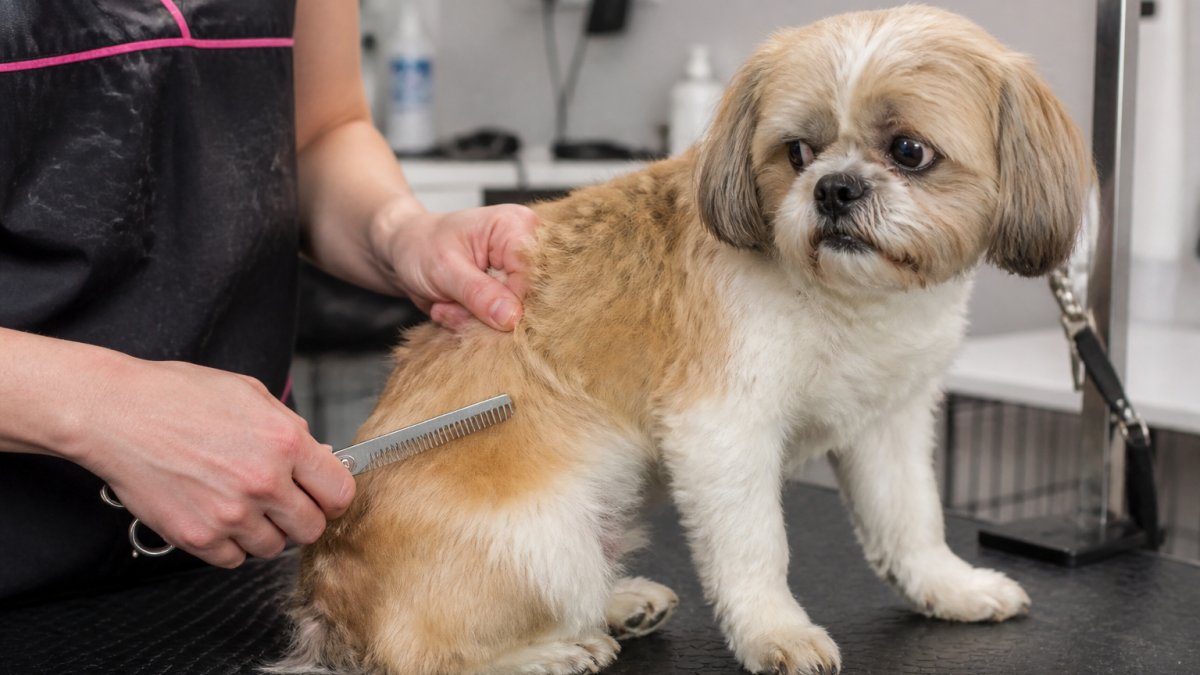
 blog
blog
Dog Grooming for Difficult Dogs: A Practical Guide
Table of Contents
- Understanding Reactive and Aggressive Behavior in Dogs
- How to Prepare a Reactive Dog for Grooming
- Low-Stress Grooming Environments and Techniques
- Questions to Ask a Pet Groomer Before Your Appointment
- Signs of a Professional Pet Groomer
- Sedation vs. Non-Sedation Grooming: What You Need to Know
- First Grooming Visit Checklist for Difficult Dogs
- Frequently Asked Questions
Last Updated: October 4, 2026
Understanding Reactive and Aggressive Behavior in Dogs
Reactive dogs overreact to triggers (lunging, barking, snapping), while aggressive dogs actively seek confrontation and may bite. Both require specialized handling and a calm environment. Common triggers include loud noises, unfamiliar people, sudden movements, or sensitive-area touch. Many difficult dogs have had negative grooming experiences, compounding anxiety. The good news: both behaviors improve with proper preparation, professional handling, and positive reinforcement. At STEPH'S CUTE CRITTER CUTS & CORI'S CRITTER CREATIONS, we help dogs succeed during their appointments.
How to Prepare a Reactive Dog for Grooming
The best way to prepare a reactive dog for grooming is to build positive associations with the grooming process before the appointment.
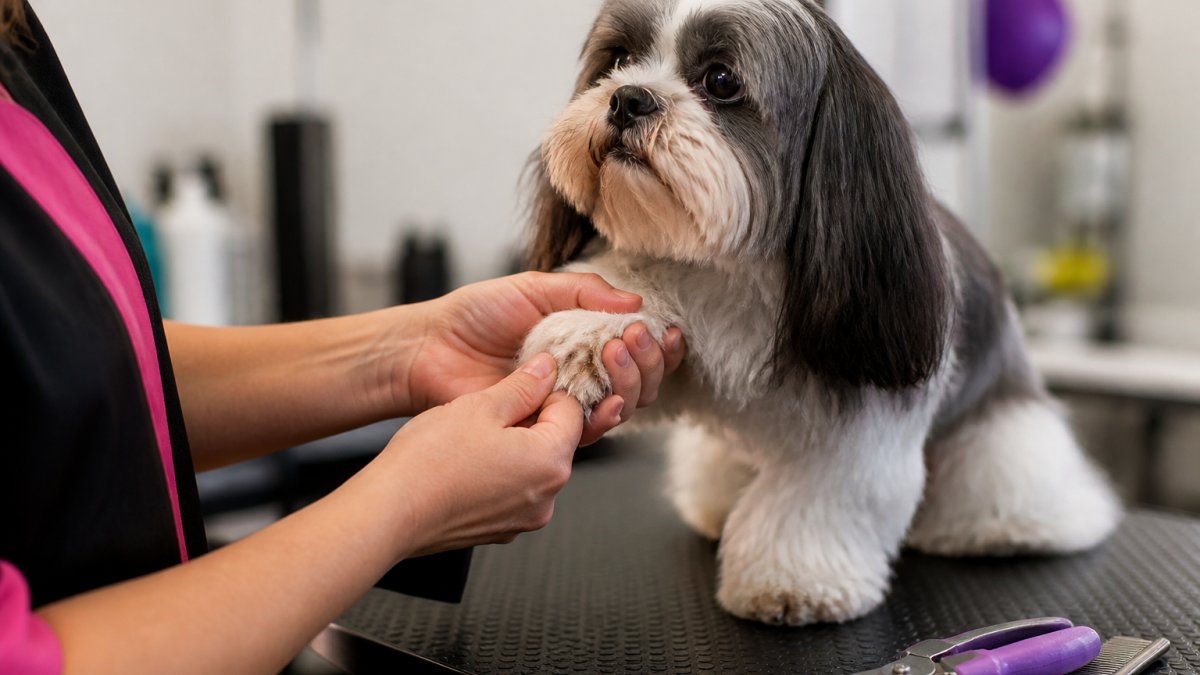
Next, practice touching the areas that will be groomed. Gently handle her paws, ears, and face for a few seconds daily, rewarding relaxation. Gradually increase the duration and intensity of touch.
Bath time at home is another preparation opportunity. Use warm water, speak in a calm voice, and keep sessions short initially. Many reactive dogs improve dramatically when they realize grooming doesn't hurt and actually feels good.
Desensitization Training Plan
Desensitization teaches your dog to remain calm around grooming triggers through a gradual 2-4 week process of consistent practice.
Week 1: Introduce grooming tools
- Place clippers, brush, and nail trimmers in your dog's living space
- Let her investigate at her own pace
- Reward any calm interaction with treats
- No pressure, no use of tools yet
Week 2: Gentle handling and touch
- Touch her paws, ears, and face for 5-10 seconds
- Reward calm behavior immediately
- Gradually increase duration to 30 seconds
- Practice daily in short sessions
Week 3: Simulate grooming sounds
- Turn on clippers without using them on your dog
- Keep them at a distance initially
- Reward calm responses
- Gradually move closer over several sessions
Week 4: Practice with tools
- Use the brush gently on her body
- Run clippers near her (not on her) while rewarding
- Trim one nail if she's comfortable
- Keep sessions to 2-3 minutes maximum
Muzzle Training for Safety
A properly fitted muzzle is a safety tool that protects the groomer and allows anxious dogs to receive care. Start by letting your dog sniff and explore it, rewarding interest with treats. Gradually progress to voluntary nose insertion, then fasten for a few seconds while treating. Increase duration slowly (10 seconds, 30 seconds, one minute) and practice during walks and playtime so your dog associates it with positive activities. A muzzle-trained dog is calmer during grooming because the sensation is familiar.
Low-Stress Grooming Environments and Techniques
A low-stress grooming environment combines physical design (layout, lighting, soundproofing) with evidence-based handling techniques that prioritize the dog's emotional state over speed.
Environmental Design
Cage-free setups allow dogs to move freely rather than wait in kennels, reducing confinement stress. Separate spaces for anxious dogs prevent sensory overload; a dedicated quiet room with controlled temperature (68-72°F), soft lighting, and white noise or calming music masks triggering sounds. Non-slip flooring prevents anxiety from sliding and gives dogs confidence. Organized tools and pre-warmed water minimize handling duration and transitions that startle reactive dogs.
Low-Stress Handling Techniques
Restraint-free grooming uses gentle hand positioning, body blocking, or verbal cues instead of loops or restraints, requiring more skill but producing better outcomes for difficult dogs. Frequent breaks every 5-10 minutes allow the dog to reset and signal readiness; a dog that can move away is less likely to escalate. Task ordering starts with least invasive tasks (brushing) before stressful ones (nail trimming), with the groomer reading body language and adjusting pacing. Positive reinforcement during the appointment, treats, praise, or play breaks, teaches the dog that cooperation leads to rewards.
Red Flags in Grooming Facilities
Watch for these red flags: excessive restraints preventing movement, rushing without breaks, loud chaotic environments, dismissive responses to your concerns, no pre-appointment consultation, or punishment-based language.
Questions That Reveal True Low-Stress Practice
Ask: "How would you handle my dog if she becomes stressed?" (Listen for breaks, reassessment, willingness to reschedule.) "How do you position dogs?" (Listen for minimal restraint and consent-based movement.) "What's your appointment length for anxious dogs, and do you include breaks?" "Do you use treats during grooming?" (Yes is correct.) "What's your policy if my dog becomes too stressed?" (Listen for flexibility to reschedule or offer partial grooms.)
Questions to Ask a Pet Groomer Before Your Appointment
Ask these essential questions: How do you handle reactive or anxious dogs? Can you provide references from owners of difficult dogs? Do you use muzzles or restraints, and how? What's your experience with dogs that had negative grooming experiences? Can you groom in a separate, quiet space? Will you take breaks if my dog becomes stressed? What's your appointment length for difficult dogs? What's your rescheduling policy? Do you offer partial grooms? Have you worked with dogs similar to mine?
A groomer who answers thoughtfully and asks you questions in return is likely experienced with dog grooming difficult dogs.
Signs of a Professional Pet Groomer
Professional groomers ask detailed questions about your dog's history and health, explain their process patiently, and handle dogs with calm confidence and gentle hands. They read body language, pause when needed, use positive reinforcement, and maintain clean, organized, well-lit facilities with sanitized tools. Look for groomers who have certifications like Fear Free grooming, which emphasizes anxiety reduction and gentle techniques.
Sedation vs. Non-Sedation Grooming: What You Need to Know
Understanding the legal and practical boundaries between groomer-administered calming support and veterinary sedation is essential for making an informed decision about your difficult dog's grooming.
What Groomers Can and Cannot Do
Groomers cannot administer sedation. Sedation is a veterinary procedure; administering sedatives without a license violates state law and poses serious health risks.
Groomers can recommend: over-the-counter calming supplements (L-theanine, melatonin, adaptogenic herbs) purchased by the owner before the appointment; pheromone products (Adaptil) as spray or diffuser; calming music or white noise; extended appointment times with breaks; or partial grooms (dry shampoo, nail trim only).
Avoid any groomer who suggests pharmaceutical intervention, it's outside their legal scope.
When Veterinary Sedation Is Appropriate
Veterinary sedation is appropriate when behavioral modification and low-stress handling have been attempted but are insufficient, or when the dog has a medical condition making restraint unsafe, a history of severe aggression, or is elderly and cannot tolerate stress. Your veterinarian can discuss pre-appointment sedation (administered at the clinic 30-60 minutes before grooming) or mild sedation protocols using drugs like dexmedetomidine or acepromazine, which reduce anxiety while keeping the dog responsive. Sedation carries small risks including respiratory depression and blood pressure changes; your veterinarian will assess your dog's health and recommend the safest approach.
The Non-Sedation-First Approach
Non-sedation grooming is the preferred first approach because it builds long-term confidence, avoids pharmaceutical risks, is sustainable, and addresses the root cause rather than masking anxiety. Most dogs show significant improvement with consistent desensitization, professional low-stress handling, and positive reinforcement.
Making the Decision: A Flowchart
- Has your dog received at least 4-6 professional grooming appointments with a low-stress groomer, plus 4+ weeks of home desensitization? If no, pursue non-sedation grooming first.
- Is your dog showing any improvement in anxiety or cooperation? If yes, continue non-sedation grooming and allow more time for progress.
- Has your dog been evaluated by a veterinarian for underlying medical or behavioral conditions? If no, schedule a vet visit before considering sedation.
- Is your dog's anxiety or aggression so severe that grooming is impossible or poses a safety risk despite all efforts? If yes, discuss sedation options with your veterinarian.
- Does your veterinarian recommend sedation as appropriate for your dog's specific situation? If yes, proceed with veterinary sedation as a temporary tool while continuing behavioral work.
First Grooming Visit Checklist for Difficult Dogs
Use this checklist to prepare for your dog's first appointment at a professional groomer:
- Schedule a pre-appointment consultation to discuss your dog's behavior and needs
- Complete at least 2-3 weeks of desensitization training at home
- Provide the groomer with a detailed history of your dog's triggers and past grooming experiences
- Arrange a shorter appointment (30-45 minutes) rather than a full groom if possible
- Request a quiet, separate grooming space away from other dogs
- Ask the groomer to call you if your dog becomes too stressed to continue
- Plan to pick up your dog promptly at the scheduled time
- Reward your dog heavily after the appointment, regardless of how it went
- Take photos or video of your dog before the appointment to track progress
- Schedule a follow-up appointment within 4-6 weeks to build consistency
- Communicate any changes in your dog's behavior or health before the next visit
- Ask the groomer for feedback on how your dog handled the appointment
The first visit sets the tone for future grooming experiences. A successful first appointment, even if it's just a partial groom or bath, builds your dog's confidence and makes subsequent visits easier.
Preparing a difficult dog for grooming takes patience, planning, and the right professional support. At STEPH'S CUTE CRITTER CUTS & CORI'S CRITTER CREATIONS, we work with anxious and reactive dogs in a calm, personalized environment. Our team takes the time to understand each dog's unique needs and uses positive reinforcement techniques to make grooming a positive experience. Contact us to schedule a consultation and learn how we can help your difficult dog succeed at their next grooming appointment.
Frequently Asked Questions
Can groomers handle difficult dogs?
Yes, professional groomers with experience in behavioral grooming can work with anxious, reactive, and aggressive dogs. The key is finding a groomer trained in low-stress handling techniques and willing to take extra time. Ask about their experience with difficult temperaments and whether they use positive reinforcement. A groomer who listens to your concerns and adjusts their approach shows they understand how to manage challenging situations safely.
How do I prepare a reactive dog for grooming?
Start with desensitization weeks before the appointment. Let your dog touch grooming tools, practice handling their paws and ears, and reward calm behavior. Visit the grooming location beforehand if possible so your dog becomes familiar with the environment. On appointment day, keep your tone calm and positive. Provide the groomer with detailed information about your dog's triggers and what calms them. Consistency in preparation significantly reduces stress during the actual grooming session.
What should I tell a groomer about my difficult dog?
Disclose everything relevant: specific triggers (loud noises, certain handling areas), past negative grooming experiences, health conditions, medications, and what calms your dog. Mention whether your dog has bitten or snapped before. Explain your dog's body language when stressed. The more information you provide, the better the groomer can adapt their approach. This transparency builds trust and allows the groomer to create a safer, more comfortable experience for your pet.
How do I know if a groomer is experienced with difficult dogs?
Look for groomers who ask detailed questions about your dog's behavior before booking. They should explain their handling techniques and mention experience with anxious or reactive dogs. A professional groomer will discuss behavioral assessment, use positive reinforcement, and be willing to schedule longer appointments for difficult dogs. They should also mention their safety protocols and be transparent about what they can and cannot handle.