 blog
blog
Professional Grooming to Keep Pets Clean and Well-Maintained
Table of Contents
- Why Professional Grooming Matters for Your Pet's Health
- Benefits of Personalized Pet Grooming Services
- What to Expect During a Professional Grooming Appointment
- How Often Should a Dog Be Professionally Groomed
- Coat and Skin Health: What Professional Grooming Achieves
- Choosing a Groomer You Can Trust
- Professional Grooming vs. At-Home Care
- Frequently Asked Questions
Last Updated: September 23, 2026
Why Professional Grooming Matters for Your Pet's Health
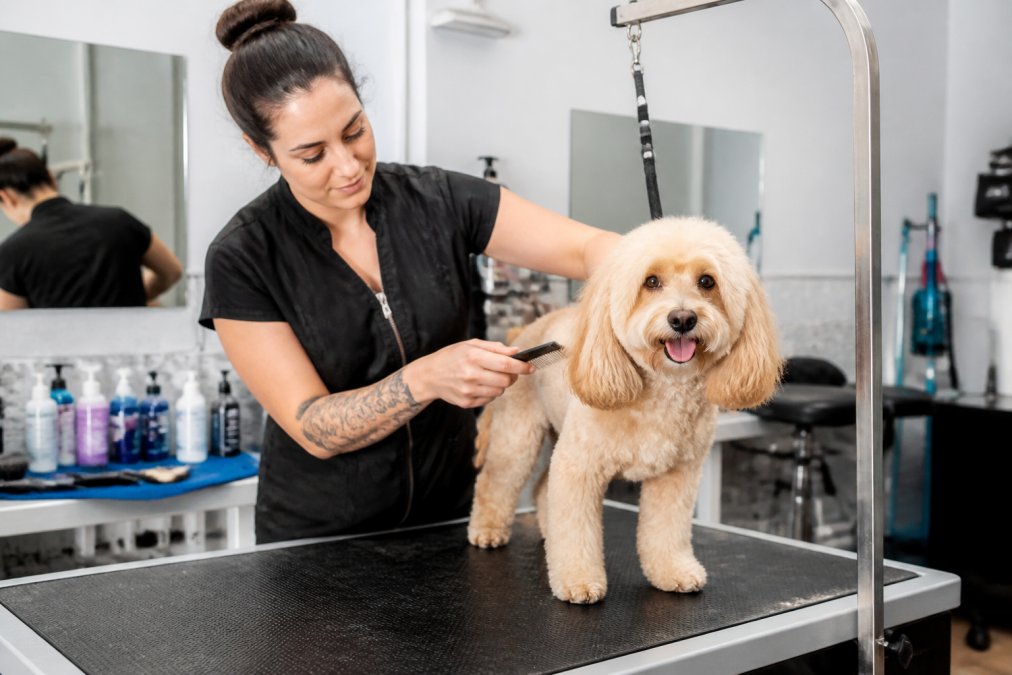
Professional grooming pets to keep them clean and well-maintained goes far beyond aesthetics, it's preventative care that catches skin issues, parasites, and health concerns early.
At STEPH'S CUTE CRITTER CUTS & CORI'S CRITTER CREATIONS, our team inspects your pet's skin, ears, and paws during each visit, spotting signs of infection, painful matting, or nail problems that affect mobility.
Professional grooming removes dead skin, reduces shedding, and prevents painful mats while regulating body temperature.
Benefits of Personalized Pet Grooming Services
Every pet has unique needs, Poodles require dematting, senior pets need gentle handling, anxious pets need patience. Personalized pet grooming services address these individual requirements.
A groomer who understands your pet's specific needs delivers shinier coats, healthier skin, and calmer anxious pets by adjusting technique based on temperament, age, and health conditions.
Professional grooming services include:
- Full baths with quality shampoo and conditioning
- Breed-specific haircut styles and sanitary trims
- Nail grinding and paw pad care
- Ear cleaning and hygiene maintenance
- Dematting and deshedding for long-haired breeds
- Early detection of skin irritation or parasites
What to Expect During a Professional Grooming Appointment
A professional grooming appointment begins with a consultation about your pet's health, sensitivities, and desired style.
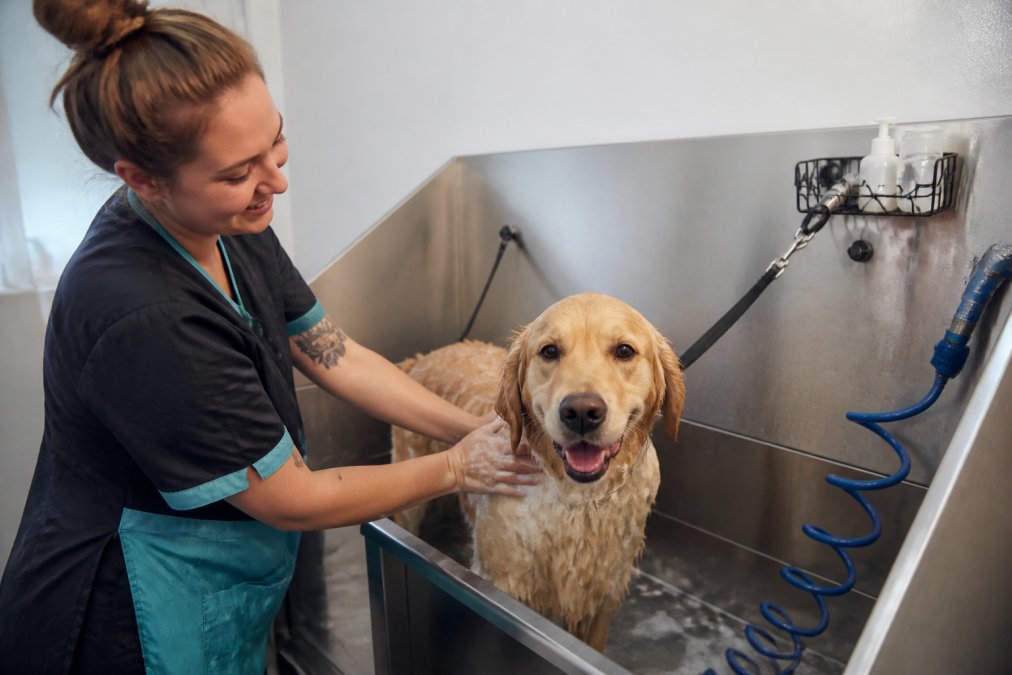
The bath uses warm water and quality products suited to your pet's coat type, removing dead skin and loose fur while improving luster.
After the bath, your pet is dried carefully at a pace that keeps them calm and comfortable.
Then comes the grooming itself. This includes:
- Nail trimming or grinding
- Ear cleaning and plucking if needed
- Sanitary trim around sensitive areas
- Full haircut or breed-specific styling
- Paw pad care and inspection
Managing Anxiety and Stress During Grooming
Grooming anxiety is normal and manageable with the right groomer.
A good groomer uses calm voices, gentle handling, positive reinforcement, and breaks to manage anxious pets without forcing stressed animals through appointments.
Before your first appointment, discuss your pet's anxiety triggers with the groomer. Some offer a "meet and greet" visit to build familiarity and trust.
Groomers may use calming techniques, shorter appointments, breaks between steps, positive rewards, and gentle handling to reduce stress.
A positive first experience prevents future grooming anxiety and sets your pet up for calm visits for years.
How Often Should a Dog Be Professionally Groomed
Grooming frequency depends on breed, coat type, lifestyle, and season.
Breed and Coat Type Guidelines:
Long-coated breeds need grooming every 4-6 weeks to prevent painful matting.
Short-coated dogs may benefit from grooming every 6-8 weeks for professional baths, nail trimming, and ear cleaning.
Senior dogs may benefit from grooming every 4-6 weeks due to sensitive skin and mats, plus health monitoring.
Puppies may benefit from starting grooming around 8-12 weeks to build confidence for future appointments.
Seasonal Grooming Adjustments:
Spring and Summer: Peak shedding (April-June) requires grooming every 3-4 weeks. Professional deshedding removes loose undercoat and reduces home shedding. Summer humidity increases skin irritation risk, and swimming dogs need weekly or bi-weekly grooming to prevent water-related issues.
Fall: Continue grooming every 4-6 weeks as the undercoat thickens to prevent matting.
Winter: Schedule grooming every 4-6 weeks with emphasis on paw pad care.
Year-Round Considerations:
- Regular brushing (daily for long-haired breeds during shedding season, weekly for short-haired)
- At-home nail trimming or filing
- Ear checks and gentle cleaning
- Paw pad inspection and cleaning after outdoor activities
- Spot cleaning of dirty or wet areas
Coat and Skin Health: What Professional Grooming Achieves
Dead Skin Removal: Bathing removes dead skin cells, preventing buildup that causes itching and irritation.
Coat Luster: Quality products restore shine and softness.
Choosing a Groomer You Can Trust
Not all groomers are equal. Choosing the right groomer matters for your pet's safety, comfort, and results. Here's what to look for and how to verify it.
Experience with Your Pet's Breed:
Clean, Safe Facility:
Gentle Handling Philosophy:
Certifications and Training:
References and Online Reviews:
Read online reviews carefully. Look for patterns:
- Do customers consistently praise gentleness and attention to detail?
- Do they mention their pets looking great afterward?
- Are there complaints about rushed appointments, injuries, or poor communication?
- Do negative reviews mention specific issues?
Communication and Listening:
A good groomer listens to your needs and explains their process. During your first consultation, they should:
- Ask detailed questions about your pet's health, temperament, and any sensitivities
- Show you photos of the haircut style you want and confirm they can deliver it
- Explain their bathing and drying process
- Discuss any behavioral concerns and how they'll address them
- Provide a realistic timeline for the appointment
- Offer follow-up communication (photos during grooming, a call when done)
Flexibility and Accommodation:
Does the groomer offer:
- Flexible scheduling that fits your work schedule?
- Adjusted appointment lengths for anxious or senior pets?
- Modified handling techniques for dogs with arthritis or other health conditions?
- Options for product preferences (hypoallergenic shampoo, fragrance-free, etc.)?
Red Flags to Avoid:
- Groomers who rush appointments or seem stressed and impatient
- Facilities that look dirty, smell bad, or have visible hair and debris
- Groomers who dismiss your concerns about your pet's anxiety or health issues
- Lack of communication or unwillingness to answer questions
- No references, no online presence, or mostly negative reviews with specific complaints
- Refusal to let you visit the facility before booking
- Pressure to book long appointments or multiple services you didn't request
- Unwillingness to show you the grooming space or explain their process
- Groomers who use punishment-based techniques (yelling, physical corrections) with anxious pets
Trust Your Instincts:
Professional Grooming vs. At-Home Care
Many pet owners wonder whether they can groom their pets at home instead of visiting a professional. The answer depends on your pet's needs, your skill level, and your available time.
At-Home Grooming Advantages:
- Lower cost for basic brushing and maintenance
- Convenience, you control the schedule
- Your pet stays in a familiar environment
- Good for regular brushing between professional appointments
At-Home Grooming Limitations:
- Difficult to bathe large dogs safely without proper equipment
- Hard to dry thick coats thoroughly without professional dryers
- Nail trimming requires skill to avoid cutting the quick
- Dematting long coats takes hours and requires specific techniques
- Limited ability to spot health issues like parasites or skin problems
- Professional haircuts and styling require training and experience
Professional Grooming Advantages:
- Expert handling of difficult coats and anxious pets
- Proper equipment and products for thorough cleaning
- Early detection of health issues
- Professional haircuts and breed-specific styling
- Saves you time and physical effort
- Better results for dermatological health
Professional Grooming Limitations:
- Higher cost than at-home maintenance
- Requires scheduling appointments
- Your pet is away from home during the appointment
Frequently Asked Questions
How often should my pet receive professional grooming?
Grooming frequency depends on your pet's breed, coat type, and lifestyle. Dogs with longer coats typically need grooming every 4-8 weeks to prevent matting and maintain coat health. Shorter-haired breeds may need it every 8-12 weeks. Cats generally require grooming less frequently unless they have long hair or health issues. Puppies benefit from early grooming experiences to build positive associations, while senior pets may need more frequent visits due to skin sensitivity or mobility concerns. Your groomer can recommend a schedule tailored to your pet's specific needs.
What are the main benefits of personalized pet grooming services?
Personalized grooming services address your individual pet's needs rather than using a one-size-fits-all approach. Groomers assess your pet's coat condition, skin health, and behavior to customize the experience. This reduces stress for anxious pets, prevents skin irritation through appropriate product selection, and catches early signs of health issues like parasites or dermatological problems. Personalized care also means your pet receives the right breed-specific styling, proper nail grinding, ear cleaning, and sanitary trims. Most importantly, a groomer who knows your pet builds trust over time, making each visit less stressful and more effective.
What should I expect during my first professional grooming appointment?
Your first appointment typically includes a consultation where the groomer learns about your pet's temperament, any health concerns, and your grooming goals. The groomer will bathe your pet using quality shampoo and conditioning products, then dry and style according to your preferences. They'll perform nail trimming or grinding, ear cleaning, and check for any skin issues or parasites. For anxious pets, groomers use calming techniques and may take breaks as needed. The entire process usually takes 1-3 hours depending on your pet's size and coat condition. You'll receive your pet back clean, well-maintained, and often more relaxed than before.
Why is professional grooming better than bathing my pet at home?
Professional groomers have specialized tools, equipment, and training that home bathing cannot replicate. They use professional-grade shampoos and conditioning products suited to different coat types and skin conditions, not generic products from retail stores. Professional grooming includes services like dematting, deshedding, nail grinding, and ear cleaning that require proper technique to avoid injury. Groomers can identify early signs of skin irritation, parasites, or other health issues during the grooming process. Additionally, professional grooming reduces stress for pets who struggle with bathing, provides proper sanitization of tools and workspace, and delivers results with coat luster and styling that home care typically cannot achieve.