 blog
blog
Fluffy Pet Grooming: A Complete Guide to Styles & Care
Table of Contents
- What Fluffy Pet Grooming Involves
- Grooming Styles for Fluffy Dogs
- How Often to Groom a Dog
- Dog Grooming Reviews: What to Look For
- Dog Grooming Appointment Checklist
- Choosing the Right Grooming Service for Your Pet
- Frequently Asked Questions
Last Updated: October 13, 2026
What Fluffy Pet Grooming Involves
Fluffy pet grooming is a specialized approach to caring for dogs with thick, curly, or double coats that require intentional styling and maintenance.
A full fluffy pet grooming session typically includes bathing with premium shampoo formulated for coat type, thorough drying and blow-drying to achieve the desired texture, haircut and styling tailored to your dog's breed and preferences, and nail trimming. Some pets benefit from deshedding treatments or hydro bath services that remove loose undercoat and reduce shedding at home.
The key difference between fluffy pet grooming and standard grooming is the attention to coat condition and styling detail. Fluffy coats mat easily and require regular maintenance between appointments. Professional groomers assess your dog's specific coat needs during drop-off and recommend appropriate grooming intervals and at-home care routines.
Grooming Styles for Fluffy Dogs
The right grooming style depends on your dog's breed, coat texture, lifestyle, and your personal preferences. Fluffy pet grooming offers multiple styling options that balance aesthetics with practicality.
Puppy Cut and Teddy Bear Trim
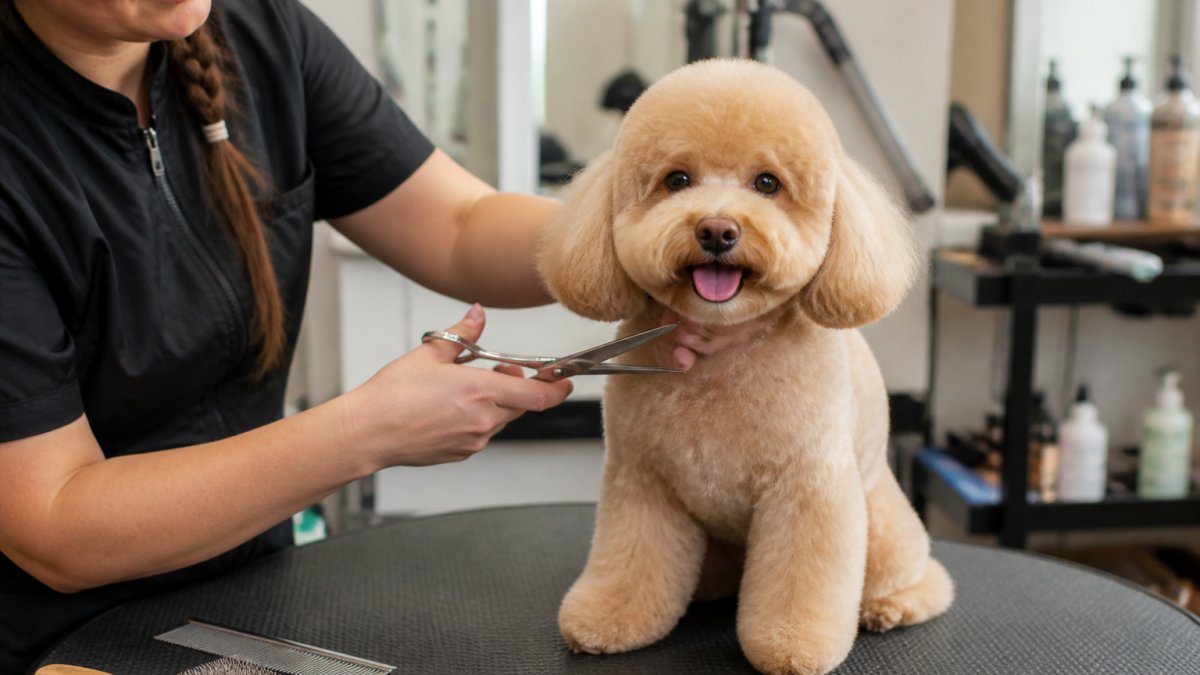
A puppy cut keeps the coat uniformly short and rounded, typically 1-2 inches in length. This style works well for dogs that spend time outdoors or have active lifestyles, as it reduces matting and is easier to maintain between appointments. The teddy bear trim is similar but leaves slightly more length on the face and ears, creating a rounder, softer appearance.
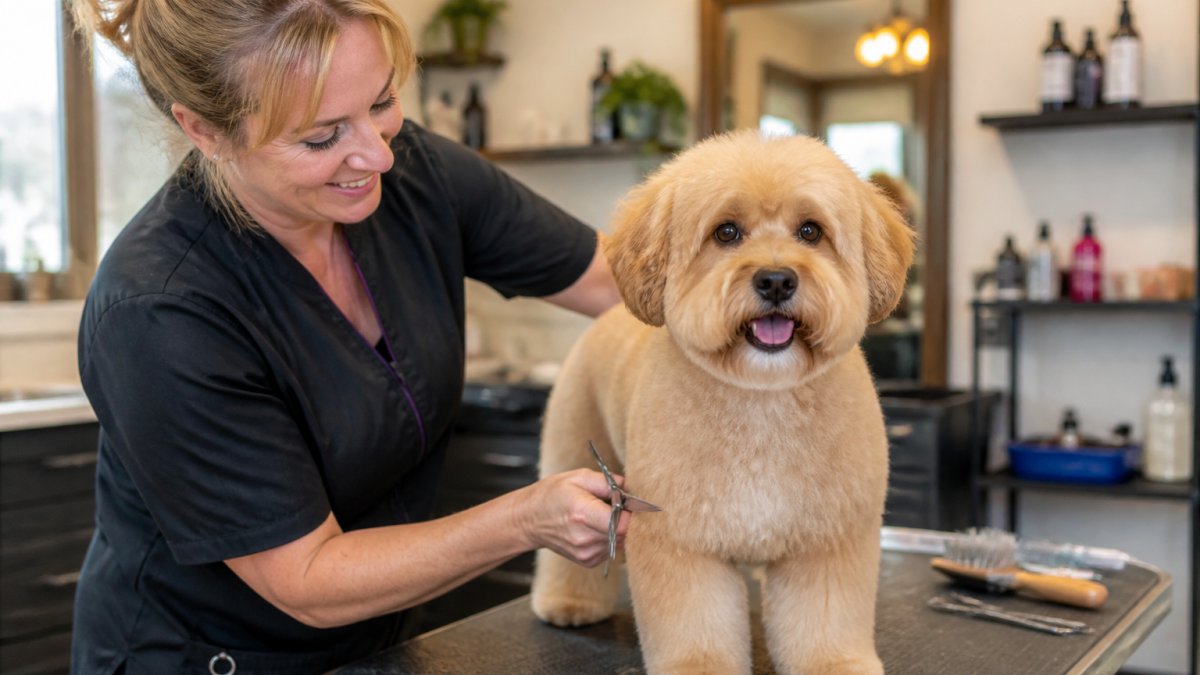
Both styles require less frequent grooming maintenance, typically every 8-12 weeks, compared to longer coat styles. They're especially popular with owners of anxious or elderly pets because they're faster appointments and reduce stress from extended grooming sessions.
Doodle-Specific Styles
Doodles have unique coat characteristics that fall somewhere between their Poodle and other parent breed genetics. Many Doodle owners prefer styles that showcase the breed's signature fluffy texture while keeping the coat manageable. Common Doodle grooming styles include the "Doodle cut" with longer length on the body and face, or a modified puppy cut that maintains more volume.
Doodles benefit from grooming every 6-8 weeks because their coats mat quickly, especially in areas with friction like behind the ears, under the armpits, and around the rear. Professional groomers who specialize in fluffy pet grooming understand Doodle coat behavior and can recommend styles that suit your dog's individual coat density and texture.
Asian Fusion and Creative Grooming
Asian fusion grooming blends traditional grooming techniques with creative styling for a polished, sculpted look. This approach emphasizes precise lines, rounded shapes, and artistic detail.
These styles require significant grooming skill and take longer appointments. They're best suited for dogs with calm temperaments who can handle extended grooming time. Creative grooming is more of a special-occasion style rather than a maintenance cut, as it requires touch-ups every 4-6 weeks to maintain the design.
How Often to Groom a Dog
How often your dog needs fluffy pet grooming depends on coat type, lifestyle, and the style you've chosen. Shorter styles like a puppy cut can extend the interval to 8-12 weeks.
Factors that affect grooming frequency include whether your dog spends time outdoors, how much they shed naturally, and whether they have skin sensitivities. Dogs that swim regularly, play in dirt, or have oily coats may need more frequent grooming.
Between professional appointments, maintain your dog's coat with regular brushing, ideally 3-4 times per week for fluffy coats. This prevents matting, reduces shedding, and keeps your dog comfortable. Many owners find that consistent at-home brushing extends the time between professional grooming appointments and improves their dog's overall coat condition.
Dog Grooming Reviews: What to Look For
Most top-ranking grooming pages tell you to "read reviews" without explaining what a useful review actually contains. A structured read of reviews is the fastest way to separate a groomer who handles fluffy coats well from one who simply advertises it. Use the criteria below to score what you find.
The Five Signals That Matter in a Review
- Coat-specific detail. Strong reviews name the coat type ("double-coated Husky," "matted Goldendoodle") and describe the result. Vague praise like "did a great job" tells you nothing about whether the groomer can handle your dog's coat.
- Handling language. Look for words like "calm," "patient," "let me stay until my dog settled," or "called me mid-appointment to check in." These signal a groomer who reads stress signals rather than rushing pets through.
- Before-and-after photos. Photos are the only objective evidence of styling skill. A pattern of clear, well-lit before-and-after shots across multiple coat types is a stronger signal than any star rating.
- Consistency over time. Read reviews from the last 6-12 months, not just the top-rated ones. A groomer with steady 4-5 star reviews over a year is a safer bet than one with a burst of 5-star reviews and a recent cluster of complaints.
- Owner-specific match. If your dog is anxious, senior, or has a skin condition, search reviews for those exact words. A groomer praised by owners of calm Poodles may not be the right fit for a nervous senior Shih Tzu.
Red Flags Worth Taking Seriously
- Reviews mentioning cuts, nicks, or burns that the groomer did not disclose at pickup.
- Repeated mentions of "rushed," "in and out in 45 minutes," or "didn't listen to what I asked for."
- No response from the business to negative reviews, or defensive responses that blame the pet.
- Reviews that describe the same problem across different dogs (e.g., multiple mentions of ear irritation after grooming).
- A sudden drop in review quality after a change in ownership or staff.
How to Read a Rating Honestly
A 4.7-star average across 200 reviews is more informative than a 5.0 across 12. Volume matters. Also check whether reviews are spread across multiple platforms, since a single platform can be gamed.
Dog Grooming Appointment Checklist
Preparing for your dog's grooming appointment makes the experience smoother for your pet and helps the groomer deliver better results. Use this checklist to ensure you're ready before drop-off and know what to expect during and after your appointment.
Before Your Appointment
Schedule your appointment at least 2-3 weeks in advance, especially during busy seasons. Confirm the appointment time and discuss any special requests or concerns about your dog's behavior or coat condition. If your dog has never been groomed before, mention this so the groomer can plan for a calm, positive first experience.
Brush your dog's coat thoroughly before the appointment. Even if the groomer will bathe and dry your dog, removing loose hair and small mats beforehand makes the appointment faster and more comfortable. Check your dog's ears and paws for any signs of infection or injury and mention these to the groomer.
During Drop-Off
Arrive on time and provide clear information about your dog's temperament, any health issues, and your grooming preferences. Show the groomer photos of the style you want, or describe it in detail. Mention if your dog gets anxious in new environments or has any handling sensitivities.
Ask the groomer how long the appointment will take and when you can pick up your dog. Confirm the grooming style one more time to ensure you're both on the same page about the final look.
After Pick-Up
Inspect the groom and take photos of the final result. Ask the groomer for recommendations on at-home coat care and how often to schedule the next appointment. Discuss any concerns about the groom while you're there so the groomer can address them immediately.
Ask for specific brushing and bathing recommendations for your dog's coat type. Many groomers provide guidance on which brushes work best and how often to brush between appointments. This information helps you maintain the groom and extend the time between professional appointments.
Choosing the Right Grooming Service for Your Pet
Most grooming pages end with "find a groomer you trust." That is not a method. Below is a practical evaluation framework you can use on a phone call or a walk-through visit, covering the criteria that actually predict a good outcome for a fluffy-coated dog.
The Seven-Point Evaluation Checklist
**1.
2. Qualifications and continuing education. Ask whether the groomer holds a certification from a recognized grooming organization or has completed breed-specific or coat-specific training.
3. Sanitation. Look for: clean tools between pets, disinfected tables and tubs, fresh towels per dog, and a visible cleaning routine.
4. Insurance and business legitimacy. A professional grooming business should carry liability insurance and, where required, a business license. Ask.
5. Consultation policy. The best groomers offer a short meet-and-greet or a nail-trim-only first visit so your dog can acclimate.
6. Emergency procedures. Ask what happens if your dog has a medical emergency during grooming.
7. Pricing transparency. Ask what is included in a full groom versus a bath-and-tidy, and how coat condition, matting, and size affect the final total.
Accommodations for Anxious, Senior, and Special-Needs Pets
Fluffy coats and anxious temperaments often go together, and the right groomer will have specific accommodations rather than a one-size-fits-all approach. Ask about:
- Shorter sessions split across two visits for dogs who cannot tolerate a full groom.
- Quiet appointment slots away from peak hours for noise-sensitive pets.
- Senior-dog handling, gentler restraint, more frequent breaks, and awareness of arthritis or skin fragility.
- Skin-condition protocols, medicated shampoos, hypoallergenic products, and coordination with your veterinarian if your dog has a diagnosed condition.
- Matting policy, whether the groomer will attempt to demat or will recommend shaving, and how they communicate that decision to you before proceeding.
How to Run a Trial Visit
Book a nail trim or a bath-only appointment before committing to a full groom. This gives you three data points: how your dog behaves on pickup, how the groomer communicates about the visit, and whether the environment felt calm and clean.
STEPH'S CUTE CRITTER CUTS & CORI'S CRITTER CREATIONS specializes in personalized fluffy pet grooming for dogs with thick, curly, and double coats. Our team understands that every dog has unique coat needs and behavioral preferences, and we take time during every appointment to ensure your pet feels calm and cared for. We are happy to answer any of the questions above before you book.
Frequently Asked Questions
How often should a fluffy-coated dog be groomed?
Fluffy-coated dogs typically need grooming every 6-8 weeks to prevent matting and maintain coat health. Dogs with double coats, like Poodles and Doodles, benefit from regular brushing between appointments. Neglecting grooming can lead to painful mats and skin issues. Your groomer can recommend a schedule based on your dog's specific coat type and lifestyle.
What should I tell a groomer about my dog's coat and behavior?
Share details about your dog's coat condition, any sensitive areas, skin allergies, or behavioral concerns like anxiety or nervousness. Mention if your pet has never been groomed before, gets anxious in new environments, or has arthritis or other health issues. This information helps groomers handle your dog safely and adjust their approach. The more your groomer knows, the better they can care for your pet.
What should I look for in a pet grooming review?
Look for reviews that mention specific experiences: how the groomer handled nervous pets, quality of the haircut, and whether the pet seemed comfortable and happy after. Check for before-and-after photos showing grooming results. Read about the groomer's communication with pet owners and attention to special requests. Reviews from owners with pets similar to yours, anxious dogs, senior pets, or specific breeds, are especially valuable.
How can I tell whether my dog needs a haircut or just a bath and brush?
If your dog's coat is matted, tangled, or visibly overgrown, a haircut is necessary. A bath and brush work well for maintenance between full grooms if the coat is healthy and mat-free. Fluffy coats mat quickly, so regular grooming prevents the need for drastic cuts. Ask your groomer which service best suits your dog's current coat condition and how often to schedule each.