 blog
blog
7 Ways to Manage Dog Shedding in Florida
Table of Contents
- Why Dog Shedding Gets Worse in Florida
- 1. Choose the Best Brush for Shedding Dogs
- 2. Establish a Regular Brushing Routine
- 3. How Often to Bathe a Shedding Dog
- 4. Improve Your Dog's Diet and Hydration
- 5. Understanding Excessive Dog Shedding Causes
- 6. Professional Dog Deshedding Tips
- 7. Manage Loose Fur Around Your Home
- Frequently Asked Questions
Last Updated: October 12, 2026
Why Dog Shedding Gets Worse in Florida
Dog shedding is a natural process, but Florida's warm, humid climate makes it worse year-round. Most dogs shed seasonally, but in warm climates, that shedding cycle extends or never fully stops. Your dog's coat responds to temperature and daylight hours. Florida's consistent warmth and long days keep shedding active when it would normally slow down in other regions.
At STEPH'S CUTE CRITTER CUTS & CORI'S CRITTER CREATIONS, we work with pet owners who struggle with constant loose fur in their homes. The humidity also affects skin health. When air moisture stays high, dogs' skin can become irritated or dry despite the moisture in the air. This irritation triggers more shedding.
Understanding why shedding happens helps you manage dog shedding more effectively. It's not a problem you can eliminate, it's a condition you can control. The seven strategies below address the root causes and help reduce the loose fur in your home.
1. Choose the Best Brush for Shedding Dogs
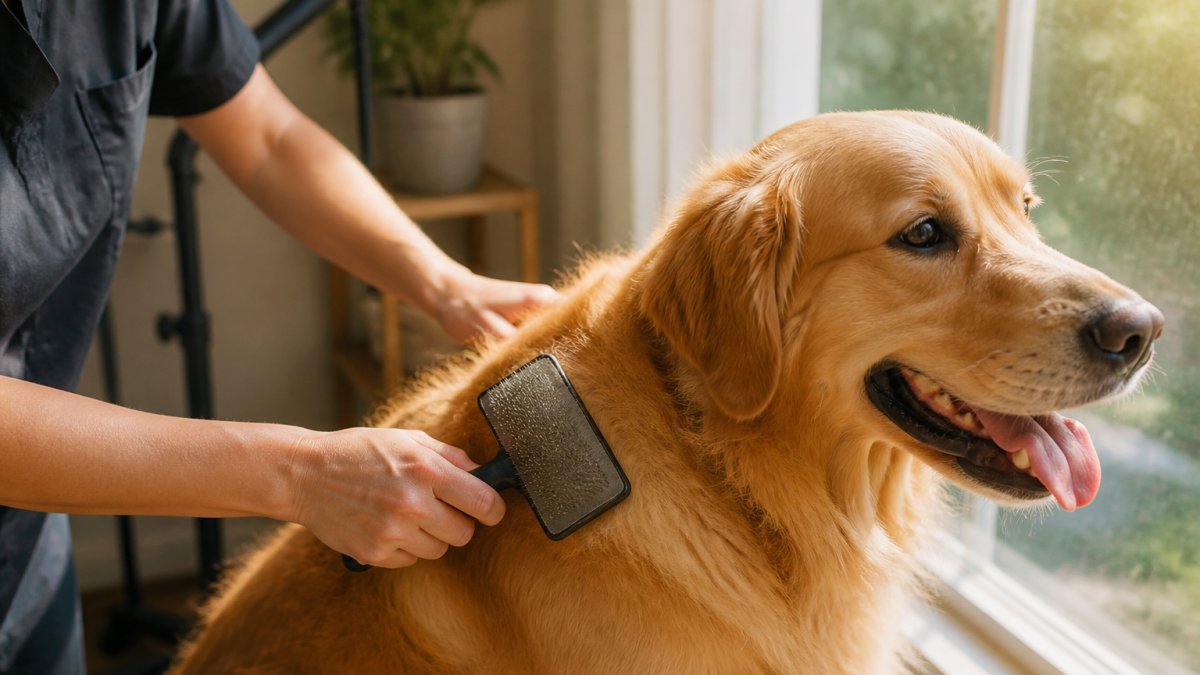
The right brush makes the biggest difference in managing dog shedding. Not all brushes work the same way. A slicker brush removes mats and tangles. A deshedding tool pulls out loose undercoat before it falls out on your furniture.
Double-coated breeds shed heavily because they have two layers of fur. Poodles and Doodles have curly coats that mat easily. Single-coated dogs shed less overall but still need regular brushing.
Here's how to choose:
- Slicker brush: Best for curly and matted coats. Use short, gentle strokes.
- Deshedding tool: Designed to remove undercoat. Works on double-coated breeds.
- Undercoat rake: Pulls loose fur from the base of the coat.
- Pin brush: Good for long-haired breeds. Detangles without pulling.
When you brush, check for skin irritation or bald patches. These can signal a health issue that needs veterinary attention. Brush gently, rough brushing causes coat stress and can make shedding worse.
2. Establish a Regular Brushing Routine
Brushing removes loose fur before it ends up on your clothes and furniture. How often should you brush? It depends on your dog's coat type and how much they shed.
Double-coated dogs need brushing 3-4 times per week during heavy shedding. Single-coated breeds do well with weekly brushing. During peak shedding seasons, increase frequency by one session per week.
A consistent routine works better than occasional deep brushing. Regular brushing prevents mats and keeps skin healthy. When you skip brushing, loose fur builds up and becomes harder to remove.
Here's a simple routine:
- Brush before bathing. Mats tighten when wet.
- Brush in the direction the coat grows.
- Spend 10-15 minutes per session.
- Check for skin problems as you brush.
- Brush more often in hot, humid weather.
Most pet owners find that establishing a schedule helps them stick with it. Pick a day and time. Make it part of your weekly routine. Your dog will learn to expect it, and you'll see less loose fur around your home.
3. How Often to Bathe a Shedding Dog
Bathing removes loose fur and helps manage dog shedding, but too-frequent bathing can dry out skin. Dry skin leads to more shedding and irritation.
Here's a coat-type guide:
- Double-coated breeds (Huskies, Golden Retrievers, German Shepherds): Bathe every 6-8 weeks. Their dense undercoat traps moisture, and over-bathing strips the natural oils that keep the coat healthy. Between baths, use a deshedding tool and undercoat rake.
- Single-coated breeds (Poodles, Doodles, Boxers): Bathe every 4-6 weeks. These coats produce less undercoat but collect oils and dirt faster, especially in humid conditions.
- Short-coated breeds (Beagles, Labs, Bulldogs): Bathe every 4-6 weeks. Their coats dry quickly, but skin can still become irritated from frequent swimming or outdoor exposure.
- Long-coated breeds (Shih Tzus, Yorkies): Bathe every 3-4 weeks. Long coats mat easily, and mats tighten when wet, so brush thoroughly before bathing.
Dogs that swim in pools, lakes, or the ocean need a rinse after every swim. Chlorine, salt, and lake bacteria irritate skin and can trigger excessive shedding. A quick rinse with lukewarm water removes these irritants without stripping natural oils the way a full shampoo bath would.
Use lukewarm water, not hot. Hot water dries out skin. A good dog shampoo removes dirt and loose fur without stripping natural oils. Rinse thoroughly. Shampoo residue irritates skin and can cause itching that leads to more shedding.
Here's the bathing process:
- Brush before bathing to remove mats. Mats tighten when wet and become painful.
- Use lukewarm water and a quality dog shampoo.
- Massage gently to avoid coat stress.
- Rinse completely until water runs clear.
- Dry with a towel and brush while damp.
After bathing, your dog's coat is easier to brush. Damp fur removes more easily than dry fur. This is the best time to use a deshedding tool. Many pet owners see dramatic results when they brush right after a bath.
If your dog's skin becomes red, flaky, or itchy after bathing, switch to a gentle oatmeal-based shampoo and reduce bath frequency. Persistent irritation after bathing may signal an allergy or skin infection that needs veterinary attention.
4. Improve Your Dog's Diet and Hydration
What your dog eats affects coat health and shedding. A balanced diet with enough protein and fatty acids keeps skin healthy and reduces excessive shedding.
Dogs need quality protein to build strong hair. Fatty acids, especially omega-3 and omega-6, support skin health. When skin is healthy, shedding stays normal. When nutrition is poor, skin becomes dry and irritated, triggering more shedding.
Look for dog food with:
- High-quality protein (chicken, fish, beef)
- Named meat sources, not "meat meal"
- Fish oil or flaxseed for fatty acids
- Balanced vitamins and minerals
Fresh water is equally important. Dogs in Florida's heat need constant access to water. Dehydration dries out skin from the inside. A dehydrated dog sheds more and has itching and flaking.
Some pet owners add a fish oil supplement to their dog's food. This boosts omega-3 intake. Always talk to your veterinarian before adding supplements. They can recommend the right amount for your dog's size and age.
5. Understanding Excessive Dog Shedding Causes
Most shedding is normal. Excessive shedding signals a problem. Learning to spot the difference helps you know when to call your veterinarian.
Normal shedding produces loose fur that comes out when you brush. Excessive shedding leaves bald patches, causes itching, or happens suddenly. Florida's parasites, fleas and mites, cause excessive shedding. Allergies, dry skin, and stress also trigger it.
Watch for these warning signs:
- Bald patches or thinning fur
- Constant itching or scratching
- Red, inflamed, or flaky skin
- Shedding that starts suddenly
- Odor or discharge from the skin
If you notice any of these, schedule a veterinary appointment. Your vet can check for fleas, mites, allergies, or skin infections. Many of these conditions are easy to treat once identified.
Flea prevention is essential in Florida. Year-round flea prevention stops infestations before they start. A flea infestation causes intense itching and excessive shedding. Your veterinarian can recommend the best flea prevention for your dog.
6. Professional Dog Deshedding Tips
Professional groomers have tools and techniques that remove more loose fur than home brushing alone. A professional deshedding session can remove weeks' worth of loose undercoat in one appointment.
Professional deshedding tools are stronger than home brushes. They reach deep into the undercoat without damaging the topcoat. A groomer knows how much pressure to use and how to work safely around sensitive areas.
What happens during a professional deshedding:
- The groomer bathes your dog with special shampoo.
- High-velocity dryers remove loose fur as they dry.
- Deshedding tools pull out remaining undercoat.
- Your dog leaves with dramatically less loose fur.
Many pet owners schedule professional deshedding every 6-8 weeks during heavy shedding seasons. Between appointments, they brush at home. This combination keeps shedding under control.
STEPH'S CUTE CRITTER CUTS & CORI'S CRITTER CREATIONS offers professional deshedding services at both locations. Our team uses proper technique to remove loose fur safely. We also check your dog's skin for problems during grooming. If we notice irritation or bald patches, we let you know so you can follow up with your veterinarian.
7. Manage Loose Fur Around Your Home
Even with perfect brushing and bathing, loose fur ends up on furniture and floors. In a humid climate, that loose fur creates a bigger problem than in drier regions: it traps moisture, feeds dust mites, and can contribute to musty odors and indoor allergens.
Vacuum frequently, at least twice weekly during heavy shedding. A vacuum with a HEPA filter traps pet hair and allergens. Some pet owners vacuum daily during peak shedding months.
Here's how to manage loose fur:
- Vacuum carpets and rugs twice weekly. Use a vacuum with strong suction and a HEPA filter.
- Use lint rollers on furniture and clothing. Keep several around the house and in the car.
- Wash dog bedding weekly in hot water. Hot water removes fur and kills dust mites that thrive in humid environments.
- Use furniture covers to protect couches. Wash covers weekly along with bedding.
- Keep a handheld vacuum for quick cleanups on stairs and in cars.
- Use air purifiers to reduce floating fur and allergens. Change filters according to the manufacturer's schedule.
- Run a dehumidifier in rooms where your dog spends the most time. Keeping indoor humidity below 50% discourages dust mites and mold that cling to pet hair.
- Wipe down hard surfaces and baseboards weekly. Loose fur sticks to walls and baseboards in humid air.
Lint rollers are your friend. Keep several around your home. Use them on furniture, car seats, and clothing. A good lint roller removes more fur than brushing your hands across fabric.
Wash your dog's bedding weekly. Loose fur collects there. Hot water removes fur more effectively than cold. Dry on high heat to remove remaining loose fur and reduce dust mites.
Some pet owners use furniture covers. These protect couches and chairs from loose fur and make cleanup easier. Wash covers weekly along with bedding.
If someone in your home has allergies or asthma, combine frequent vacuuming with a HEPA air purifier and keep your dog out of the bedroom. This reduces exposure to pet dander and the dust mites that feed on shed fur.
Frequently Asked Questions
How can I tell if my dog's shedding is normal or excessive?
Normal shedding leaves loose fur on your brush and furniture, especially during seasonal changes. Excessive shedding appears as bald patches, constant hair loss year-round, skin irritation, or itching. If your dog is losing fur in clumps, has red or inflamed skin, or shows signs of discomfort, contact your veterinarian. Florida's heat and humidity can intensify shedding, but sudden or severe hair loss often signals a health issue that needs professional attention.
What's the best brush for shedding dogs?
For double-coated breeds, a deshedding tool or undercoat rake removes loose fur from the undercoat without damaging the outer coat. Slicker brushes work well for detangling and removing mats. For single-coated dogs, a rubber curry brush or bristle brush is gentler. The right tool depends on your dog's coat type and length. Regular brushing with the proper tool prevents matting and reduces the amount of loose fur around your home.
How often should I bathe a dog that sheds a lot?
Most shedding dogs benefit from bathing every 4-8 weeks, though this depends on their coat type and activity level. Bathing too frequently can dry out the skin and worsen shedding; bathing too infrequently leaves loose fur trapped in the coat. Use lukewarm water and a gentle, moisturizing dog shampoo to protect skin health. After bathing, thorough brushing removes loose undercoat and helps manage shedding.
Can diet help reduce dog shedding?
Yes. A balanced diet rich in fatty acids, protein, and vitamins supports healthy skin and coat. Look for dog foods with omega-3 and omega-6 fatty acids, which reduce inflammation and improve coat quality. Ensure your dog drinks plenty of fresh water daily, especially in Florida's heat. Poor nutrition can lead to dry skin, itching, and excessive shedding. If your dog's coat looks dull or shedding worsens despite good grooming, ask your veterinarian about dietary adjustments or supplements.