 how-to
Puppy Grooming Supplies Checklist: What You Need
Table of Contents
- Essential Puppy Grooming Supplies You'll Need
- Puppy Grooming Kit Essentials: Tools to Get Started
- Best Brush for Puppies by Coat Type
- How to Groom a Puppy at Home: Step-by-Step
- Puppy Grooming Schedule: When to Groom and How Often
- Puppy-Safe Products and Ingredients to Look For
- Common Mistakes to Avoid When Starting Out
- When to Seek Professional Grooming Help
- Frequently Asked Questions
Last Updated: October 20, 2026
Essential Puppy Grooming Supplies You'll Need
Starting a grooming routine early sets your puppy up for a lifetime of good hygiene and comfort. At STEPH'S CUTE CRITTER CUTS & CORI'S CRITTER CREATIONS, we work with new puppy owners every week who want to understand what grooming supplies they actually need. The answer depends on your puppy's coat type, age, and your goals for at-home care versus professional grooming.
Getting the right puppy grooming supplies early makes a real difference. A well-stocked grooming kit helps you handle basic maintenance between professional visits. It also teaches your puppy to be calm during handling, which pays off when they visit a groomer.
Why Starting Early Matters
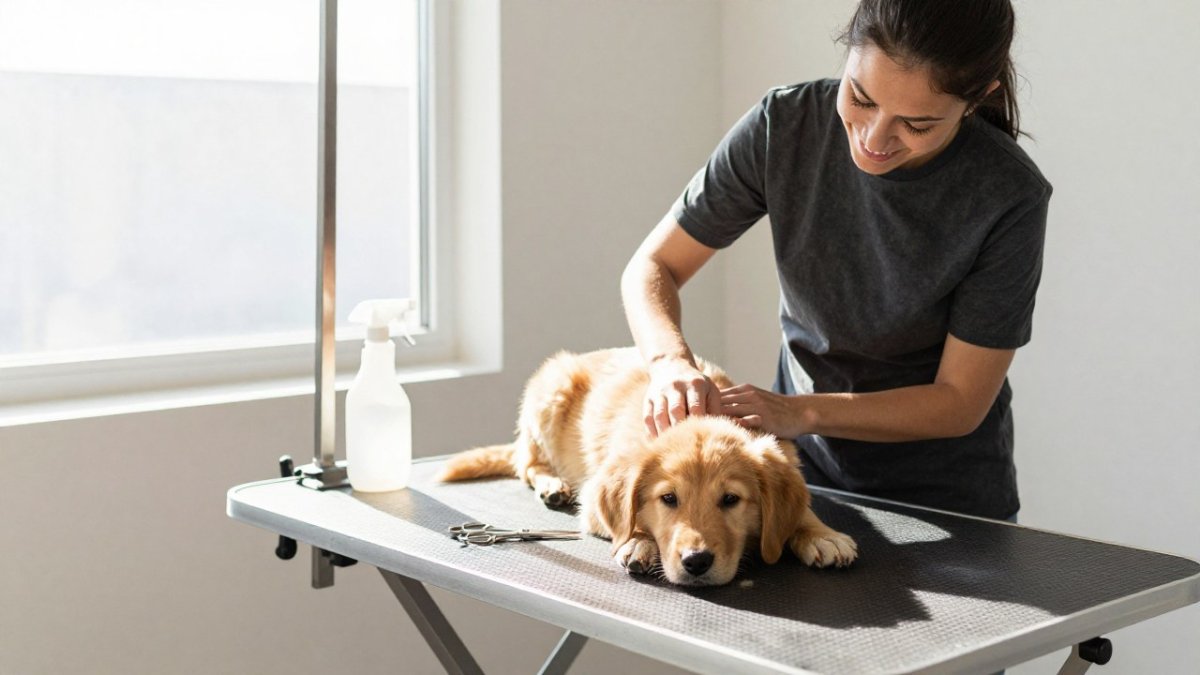
Puppies benefit from early exposure to grooming tools and routines. When you introduce grooming gradually and positively, your puppy learns that brushing, bathing, and nail trimming are normal parts of life. This builds confidence and reduces anxiety during professional grooming appointments.
Starting early also prevents common problems. Mats and tangles become harder to remove as they set in. Overgrown nails can cause discomfort or lead to joint issues. Regular ear checks catch infections early. Dental care from the start promotes long-term oral health.
Puppy Grooming Kit Essentials: Tools to Get Started
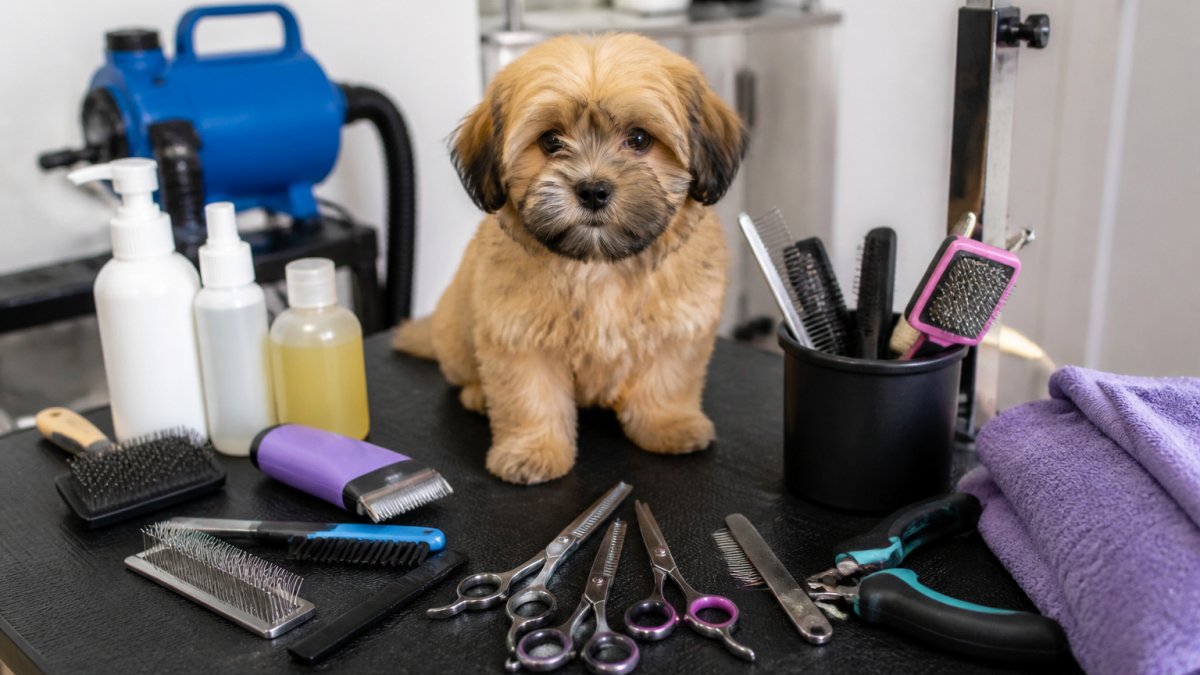
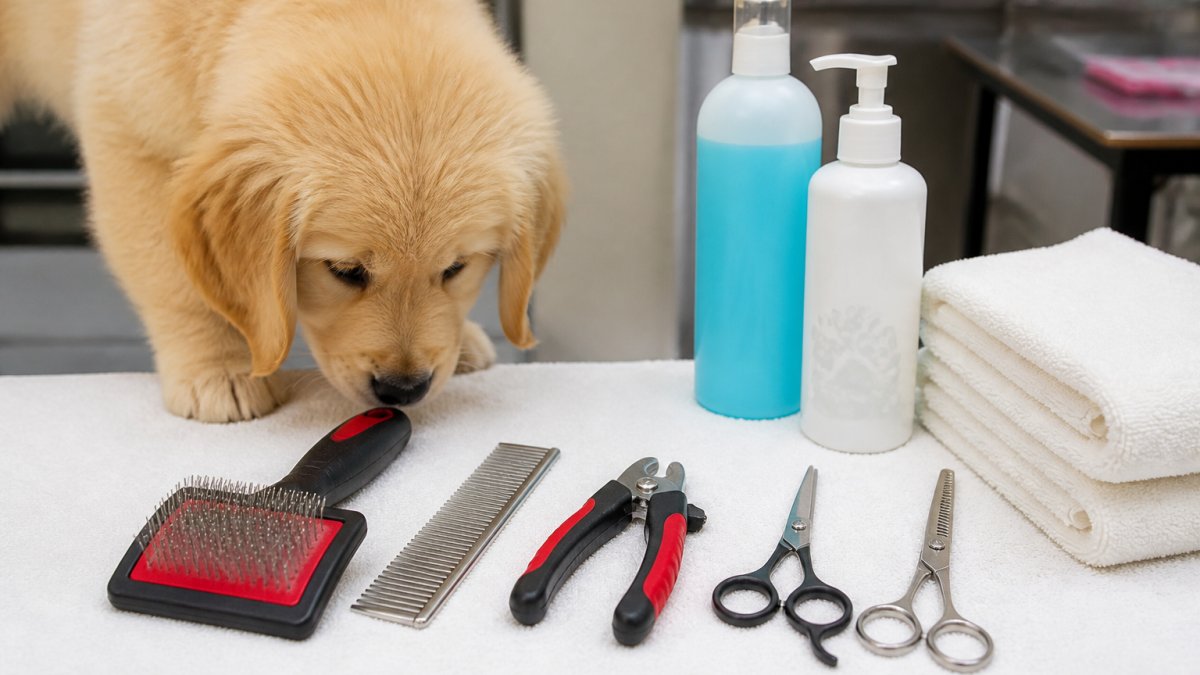
A solid puppy grooming kit doesn't need to be expensive or overwhelming. Focus on the basics first, then add specialized tools as your puppy grows. Most new owners find they need between 5 and 8 core items to handle routine maintenance at home.
Brushes and Combs for Puppy Coats
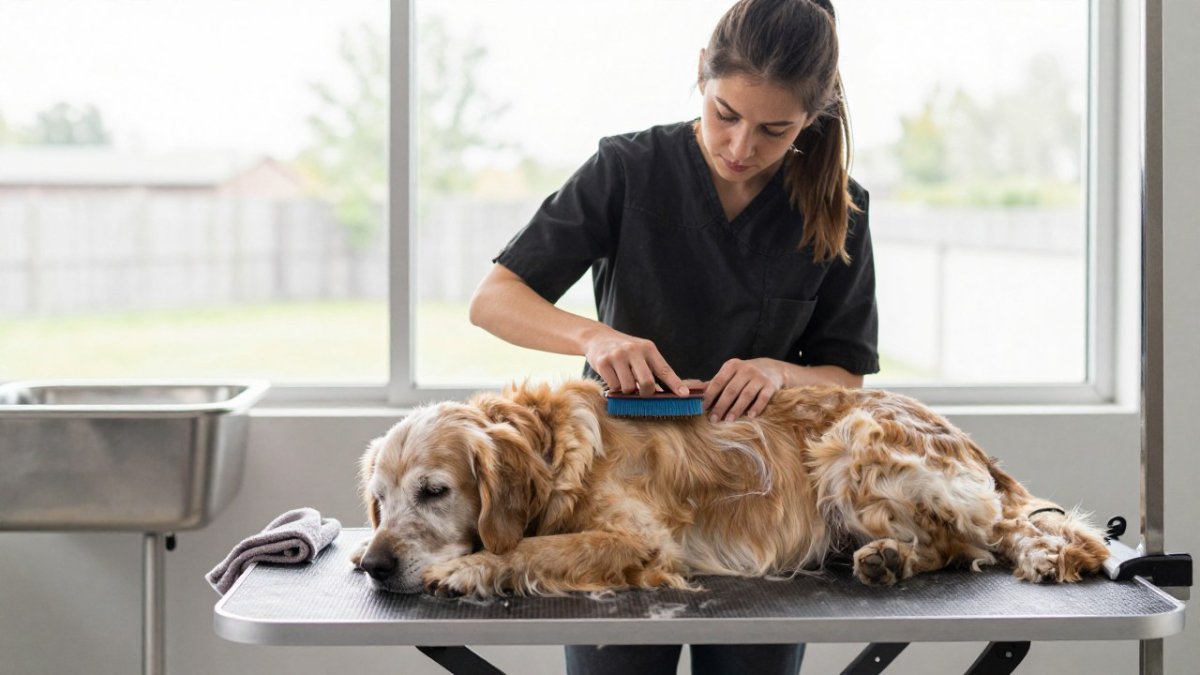
The right brush is the foundation of any grooming kit. Different coat types need different tools. A soft slicker brush works well for most puppies and helps remove loose hair and prevent tangles before they form. A metal grooming comb is useful for detangling and checking for mats.
Start brushing your puppy 2-3 times per week. This frequency removes loose hair, distributes natural oils, and gets your puppy comfortable with handling. As your puppy grows, brushing needs increase, especially for long-coat and double-coat breeds.
Many puppy owners make the mistake of waiting until mats form before brushing. By then, detangling becomes painful and stressful. Regular, gentle brushing prevents this problem entirely.
Bathing and Drying Supplies
Puppy-safe shampoo is essential for at-home baths. Regular human shampoo or adult dog shampoo can irritate a puppy's sensitive skin. Look for formulas designed specifically for puppies or gentle, fragrance-free options. Most puppies need bathing every 4-6 weeks, though this varies by coat type and activity level.
You'll also need soft towels for drying. Microfiber towels absorb water quickly and dry faster than regular towels. Some owners use a pet-safe hair dryer on low heat, though many puppies find the noise startling at first. Introduce any drying tool gradually.
Nail and Paw Care Tools
Puppy nail clippers come in two main styles: scissor-style and guillotine-style. Most groomers and owners prefer scissor-style clippers because they give better control and visibility. You'll also want a nail file to smooth rough edges after trimming.
Trim your puppy's nails every 3-4 weeks, or whenever you hear them clicking on hard floors. If you're unsure how much to trim, ask your veterinarian or groomer to show you the first time.
Paw cleansers help remove dirt and debris from between the pads. These are especially useful for puppies that spend time outdoors. A simple warm water rinse works in most cases, but a dedicated paw cleanser can be handy after muddy play sessions.
Ear, Eye, and Dental Care Supplies
Ear cleaning solution formulated for puppies helps prevent infections and removes wax buildup. Use a cotton ball or soft cloth to gently wipe the inside of the ear flap. Never push anything deep into the ear canal.
Eye wipes designed for dogs help remove tear stains and discharge. Some puppies are prone to eye irritation, especially breeds with flat faces or large eyes. Keep wipes handy for quick cleanups.
A soft-bristled toothbrush and dog-safe toothpaste support long-term dental health. Many puppies benefit from gentle tooth brushing 3-4 times per week. This habit pays off by reducing plaque buildup and dental disease later in life.
Best Brush for Puppies by Coat Type
Choosing the right brush depends on your puppy's coat. A brush that works beautifully on one coat type may be useless on another. Understanding your puppy's coat helps you invest in tools that actually work.
Short-Coat Puppies
Short-coat puppies like Boxers, Beagles, and Labradors need a rubber grooming glove or soft slicker brush. These tools remove loose hair without irritating short coats. Grooming gloves feel like massage to many puppies and are less intimidating than brushes.
Brush short-coat puppies 1-2 times per week. This removes shedding hair and keeps their coat shiny. Short coats shed year-round, and regular brushing reduces the amount of hair on your furniture.
Long-Coat and Double-Coat Puppies
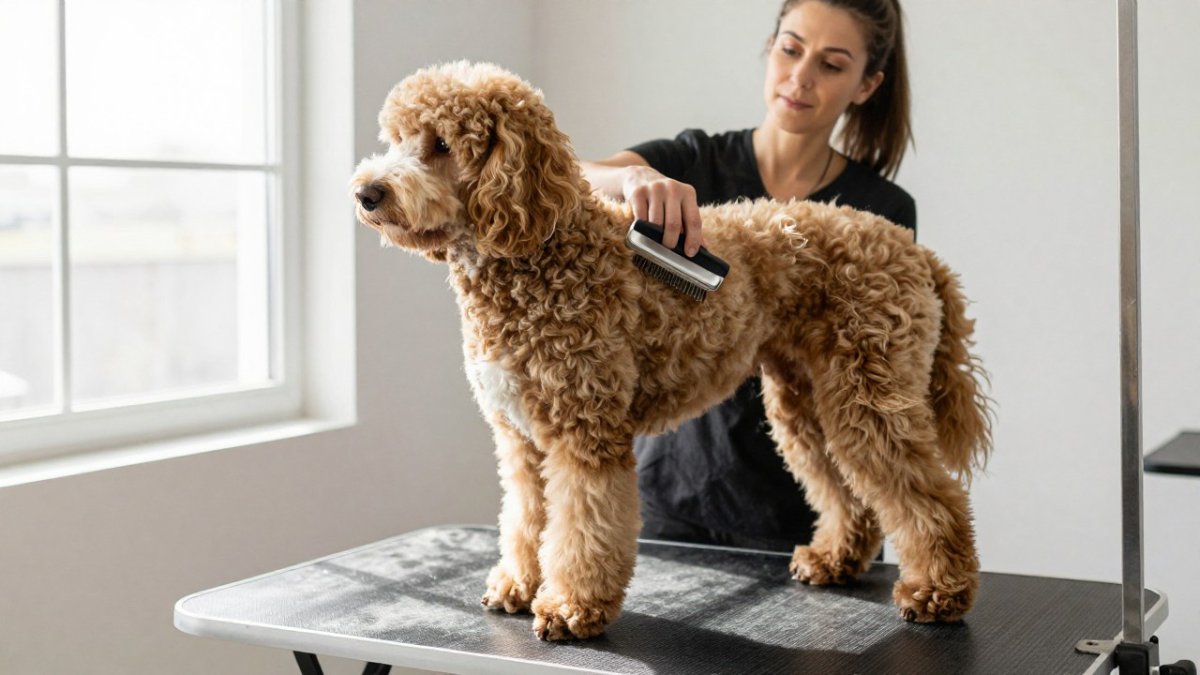
Long-coat puppies like Golden Retrievers, Doodles, and Collies need more intensive grooming. A soft slicker brush removes loose hair from the outer coat. A dematting comb helps prevent tangles before they become mats. A shedding rake removes undercoat hair that would otherwise mat or shed around your home.
Double-coat puppies need special attention during shedding seasons. Brush these puppies 3-5 times per week during heavy shedding periods. The extra effort prevents matting and keeps their coat healthy.
How to Groom a Puppy at Home: Step-by-Step
At-home grooming doesn't require professional skills. Start with basic brushing and bathing, then add other tasks as your puppy grows comfortable with handling.
Introducing Your Puppy to Grooming Tools Gradually
Start by letting your puppy see and sniff each tool. Let them explore the brush or comb without using it. Offer treats and praise for calm behavior around grooming tools.
Next, touch your puppy gently with the tool without using it. Brush their leg lightly for just a few seconds. Stop before they get frustrated, then reward with treats and play. Gradually increase the time and area you brush as your puppy relaxes.
Use a calm, quiet voice during grooming. If your puppy seems anxious, take a break and try again later. Never force grooming or use it as punishment. Positive associations build confidence that carries over to professional grooming visits.
Basic At-Home Grooming Routine
Step 1: Brush thoroughly before bathing. Remove mats and tangles first. Wet hair is harder to detangle and can lock mats tighter.
Step 2: Prepare a warm bath. Use lukewarm water and have all supplies within reach.
Step 3: Wet your puppy's coat. Start at the neck and work backward. Avoid the face and ears initially.
Step 4: Apply puppy-safe shampoo. Work the shampoo into a lather, massaging gently. Avoid the eyes and inside the ears.
Step 5: Dry carefully. Wrap your puppy in a towel and gently squeeze out water.
Step 6: Brush again after drying. A post-bath brush removes any remaining tangles and helps the coat dry evenly.
Puppy Grooming Schedule: When to Groom and How Often
A consistent grooming schedule keeps your puppy's coat and skin healthy.
Brushing: Short-coat puppies need brushing 1-2 times per week. Long-coat and double-coat puppies need 3-5 times per week. Increase frequency during shedding seasons.
Bathing: Most puppies need bathing every 4-6 weeks. Puppies that play outdoors or get dirty more often may need more frequent baths.
Nail trimming: Check nails every 3-4 weeks. Trim when nails touch the ground or you hear clicking on hard floors.
Ear cleaning: Check ears weekly. Clean if you notice wax buildup, debris, or a smell.
Dental care: Brush teeth 3-4 times per week for puppies under 6 months. Increase to daily brushing as your puppy matures.
Puppy-Safe Products and Ingredients to Look For
The products you use matter. Puppies have sensitive skin and immature systems, so gentle, safe formulas are essential.
Look for shampoos labeled "puppy-safe" or "gentle formula." These are pH-balanced for puppy skin. Avoid products with harsh chemicals, artificial dyes, or strong fragrances.
For toothpaste, use only dog-safe formulas. Never use human toothpaste, which contains fluoride and xylitol that are toxic to dogs. Dog toothpaste comes in flavors puppies enjoy, making brushing easier.
Ear cleaning solutions should be alcohol-free and specifically formulated for dogs. Avoid vinegar-based solutions, which can irritate already-sensitive ears.
When in doubt, ask your veterinarian or groomer for product recommendations. They know which brands work well and which to avoid.
Common Mistakes to Avoid When Starting Out
New puppy owners often make predictable mistakes that cause grooming anxiety or health problems.
Waiting too long between brushings. Mats form quickly in puppies with longer coats.
Using the wrong tools for your puppy's coat. A brush designed for short coats won't work on long coats.
Bathing too frequently. Over-bathing dries out puppy skin and disrupts the natural oil balance.
Forcing grooming when your puppy is scared. Pushing through fear creates lasting anxiety.
Neglecting dental care. Many owners skip tooth brushing because they think puppies are too young.
Trimming nails too short. Cutting into the pink part of the nail (the quick) causes pain and bleeding.
When to Seek Professional Grooming Help
Professional groomers have training, experience, and specialized equipment that make grooming easier and safer for your puppy.
Schedule a professional grooming appointment if your puppy has severe matting you can't remove at home.
Puppies with anxiety or fear around grooming benefit from professional help. A skilled groomer knows how to calm anxious puppies and make grooming a positive experience.
If your puppy has skin conditions, allergies, or health issues, ask your veterinarian before grooming at home.
At STEPH'S CUTE CRITTER CUTS & CORI'S CRITTER CREATIONS, we specialize in making first grooming experiences positive for puppies.
New puppy owners often worry their puppy will be stressed by professional grooming.
Starting your puppy's grooming journey the right way sets them up for a lifetime of good health and comfort. When you're ready to bring your puppy in for professional grooming or need guidance on at-home care, STEPH'S CUTE CRITTER CUTS & CORI'S CRITTER CREATIONS offers personalized grooming services designed to make every puppy's experience calm and positive.
Frequently Asked Questions
What grooming supplies does a puppy need to start with?
Begin with a soft brush or comb appropriate for your puppy's coat type, puppy-safe shampoo, towels, nail clippers, and ear cleaning supplies. You don't need everything at once, focus on brushing and bathing first, then add nail care and dental tools as your puppy grows comfortable with handling. A grooming mat or table helps keep your puppy steady during at-home grooming.
Can I use regular dog shampoo on a puppy?
No, use only puppy-safe shampoo formulated for young dogs. Puppies have more sensitive skin than adult dogs, and regular dog shampoo can be too harsh or contain ingredients that irritate their skin. Look for gentle, hypoallergenic formulas without artificial dyes or strong fragrances. Always check the label to confirm it's designed for puppies.
How often should I brush my puppy?
Brush your puppy 2-3 times per week to prevent tangles and mats, especially if they have a longer or double coat. Short-coated puppies may need less frequent brushing. Start grooming early so your puppy gets comfortable with handling and brushing becomes routine. Regular brushing also helps you spot skin issues, parasites, or other health concerns early.
When should I start grooming my puppy at home?
Begin gentle at-home grooming as soon as you bring your puppy home, around 8-12 weeks old. Start with short, positive sessions focused on brushing and handling their paws and ears. Wait until 12-16 weeks before attempting nail trimming or bathing. Early exposure helps your puppy stay calm during grooming and makes professional grooming appointments much easier later.